It is November, Melbourne is warming up, and the countdown to summer holidays has officially begun! But if you’re planning a well-deserved getaway, these pet boarding tips might help ease that familiar knot in your stomach.
The hardest part of travelling isn’t booking flights or packing bags. It’s walking away from your dog or cat, wondering if they’ll feel lost without you.
Here’s a little veterinary secret: With the right preparation, boarding can feel less like a strange new place and more like a comfortable summer camp, filled with new sights, smells and caring faces!
Here’s how to make boarding easier—for both of you.
Pet Boarding Tips: Your Calm Is Their Armour
Dogs and cats are absolute geniuses at reading our emotions. If you are stressed, crying, or lingering at the boarding gates, giving dramatic goodbyes, your pet’s brain goes: your pet may pick up on your worry and feel more unsettled too.
Studies show that pets with calm, confident owners settle into boarding much faster. When you hand over the leash or cat carrier confidently, you are giving them the ultimate gift of safety.
Your 4-Step “Summer Camp” Prep Plan
To help your pet make the transition from home to boarding as smooth as possible, use these expert-approved tips:
- Calming Pheromone Wear: Some boarding facilities have rules about bringing loose items from home like blankets, toys, or T-shirts because they can get easily soiled or lost during cleaning. Instead, go for wearable calm! A pheromone collar (like Adaptil for dogs) may help some dogs feel more settled. For cats, spraying their transport carrier with a feline pheromone spray (like Feliway) 15–30 minutes before travel may help ease the journey.
- The “No Drama” Goodbye: This is the golden rule of drop-offs. Keep your farewell short, sweet, and reassuringly calm. A quick cuddle, a confident hand-off to the staff, and a gentle exit can help make the goodbye easier.
- The Practice Run: If your pet is sensitive, consider booking a single overnight trial stay or a day of daycare a few weeks before your big trip. This teaches them a crucial lesson: “When I come to this fun place, my human always comes back to get me!”
- Keep Their Menu Consistent: Boarding is already a big change, so don’t change their food too! Pack their usual diet to help reduce the risk of tummy upsets or food refusal.
A Quick Note on Feline Campers: The 4% Rule
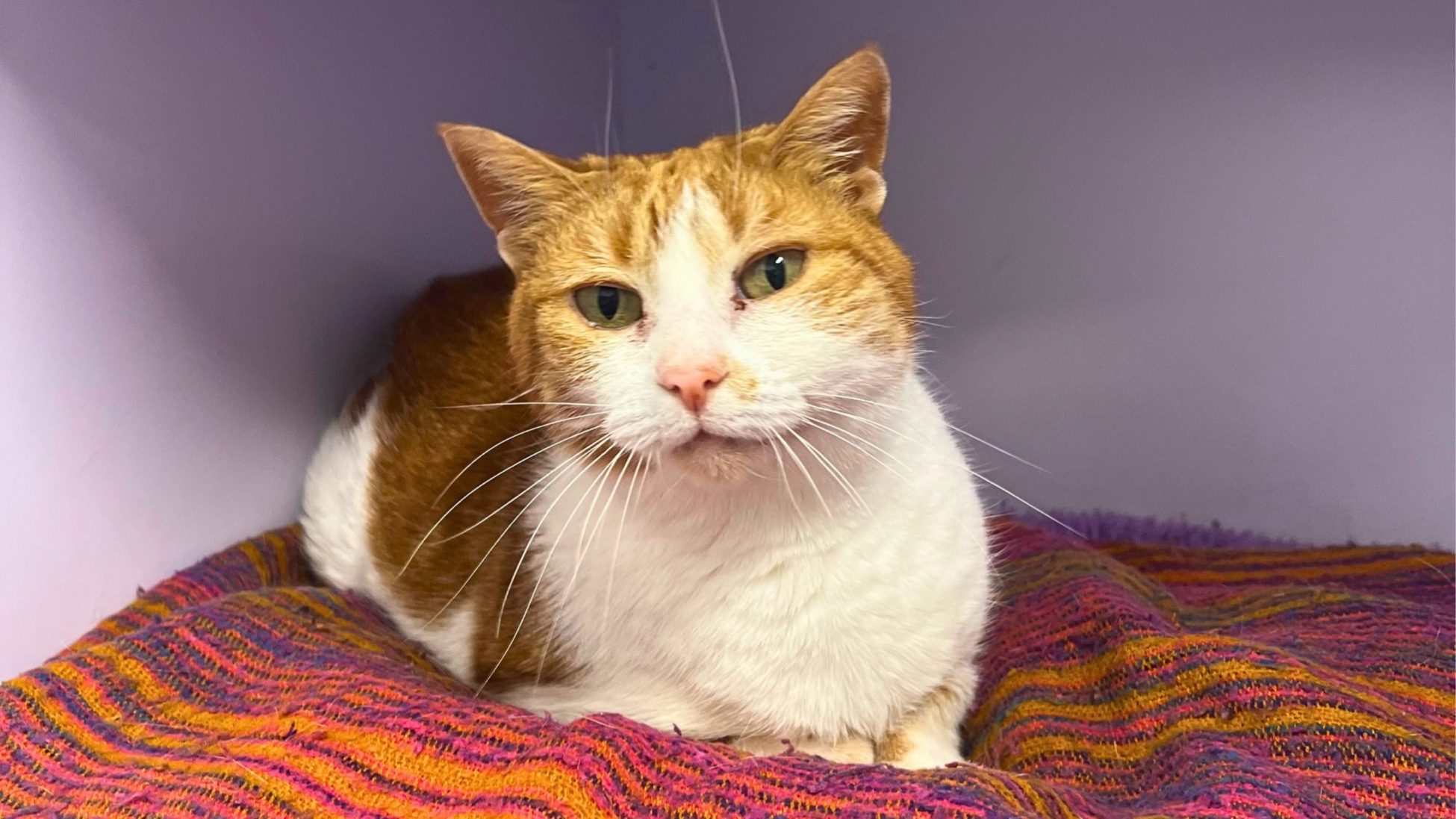
While many dogs thrive on the social buzz of boarding, cats can be a bit more particular. One study of 140 boarding cats found that 4% remained highly stressed throughout a two-week stay.
If your cat finds new places stressful, they might prefer a quiet boutique cattery with private, multi-level suites, or having a pet-sitter look after them in the comfort of their own home. If you aren’t sure what is best for your kitty, just ask us!
How We as Vets Help You Both Breathe Easier
You don’t have to carry the boarding worry alone. At Lilydale Vet Centre, we’re here to help your pet feel prepared, protected, and ready for their little holiday adventure.
- The Shield Upgrades (Vaccinations): Shared boarding spaces can increase exposure to illnesses like Canine Cough (kennel cough) or Cat Flu. We’ll make sure your pet’s immune shield is fully updated so they stay happy and healthy.
- Brain-Soothing Support: If your pet is highly anxious, we can discuss trialling prescription anti-anxiety medications ahead of their stay, or guide you toward suitable calming supplements and simple ways to help them feel more secure.
The Homecoming: Preparing for the “Boarding Hangover”
When you finally reunite and bring your pet home, you might notice something surprising: they may be extra sleepy or quieter than usual!
Don’t be surprised if your pet needs a little downtime. Boarding is incredibly stimulating with constant sights, noises, and play.
Once they are back in their familiar, safe home, they may simply need extra rest to settle back into their routine. Let them enjoy their cosy naps—but if they’re very tired, won’t eat, or seem unwell, give your vet a call.