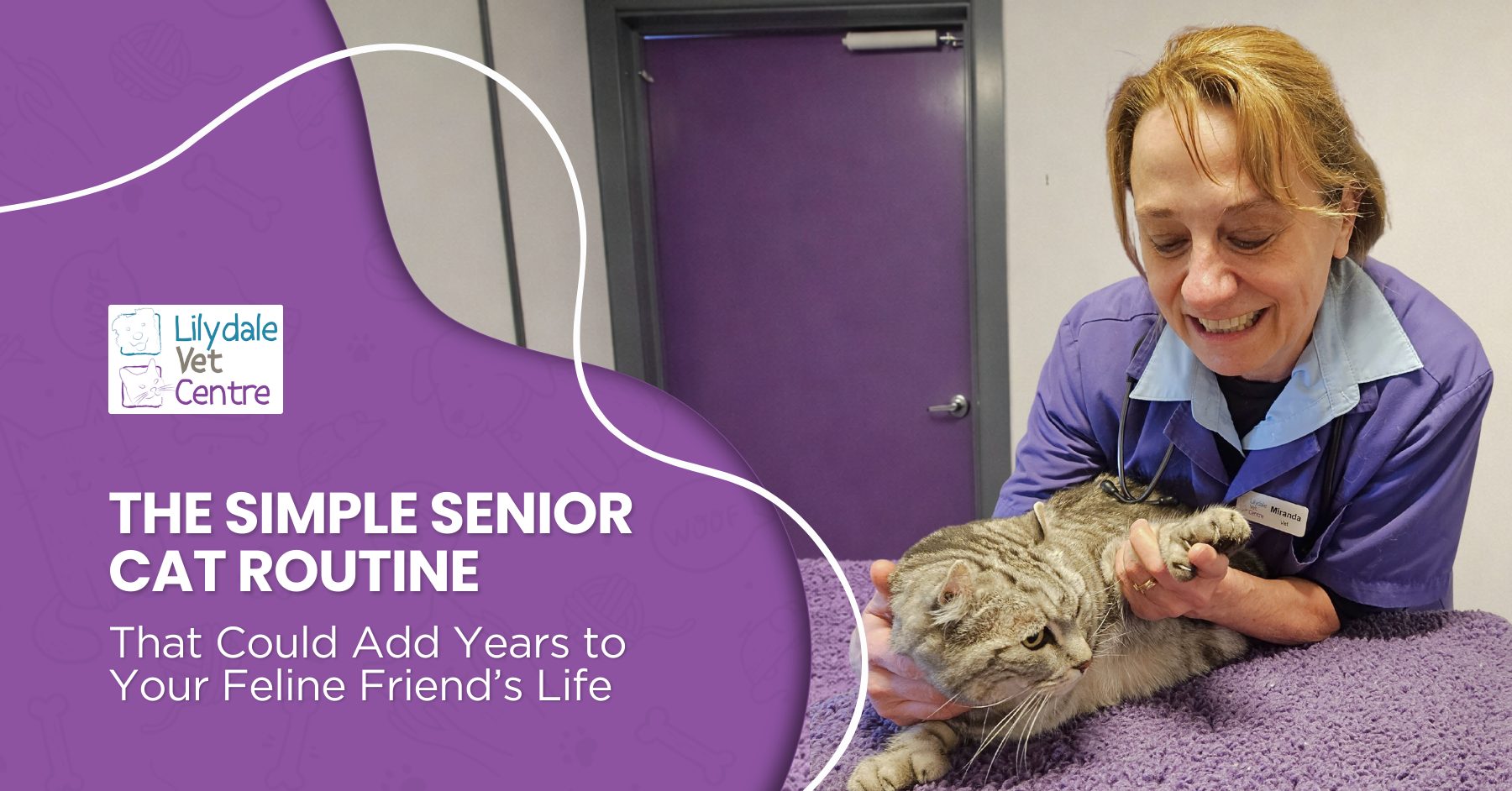
As our feline friends grow older, their needs change in small but meaningful ways. With a little proactive care, you can help them stay happy, agile, and full of life for years to come.
Cats are masters of disguise when it comes to pain. By age seven, subtle aches often begin—making it the perfect time to protect their health early.
Obesity: The Hidden Accelerator
Over half of Australian cats are overweight, and those extra grams fuel silent inflammation and disease. Fat releases hormones that inflame joints and organs.
Track progress: Check your cat’s weight monthly. You should feel their ribs easily and see a defined waist when viewed from above.
Interactive toys like lasers or chasers can increase activity by 20% without overexertion. According to 2025 RSPCA data, lean senior cats live over two years longer.
A tailored diet plan keeps strength high and weight stable. Senior-specific formulas protect muscles while trimming calories for safe, sustainable results. One of the most common issues we see as cats age is arthritis—but it often hides behind their graceful, quiet nature.
Getting Ahead of Arthritis
By the time cats reach ten, more than half already have some arthritis—even if they still leap and play as if they’re fine. But watch out—cats are crafty! Signs of arthritis in cats are extremely subtle. Watch for taking longer to position themselves for a leap, stiffness when waking from rest or retiring to the scratching post. Ask your vet about modern therapies like monoclonal antibody injections or laser sessions. These gentle options ease pain without daily pills and help protect joints long term.
Add ramps or stairs to beds and windows—reducing joint stress by up to 40%. Heated mats and soft bedding soothe muscles, especially on chilly mornings.
Oral Health: The Overlooked Gateway
After all, a healthy mouth means a healthy heart and happier meals. Dental disease affects up to 70% and can quietly damage kidneys and hearts.
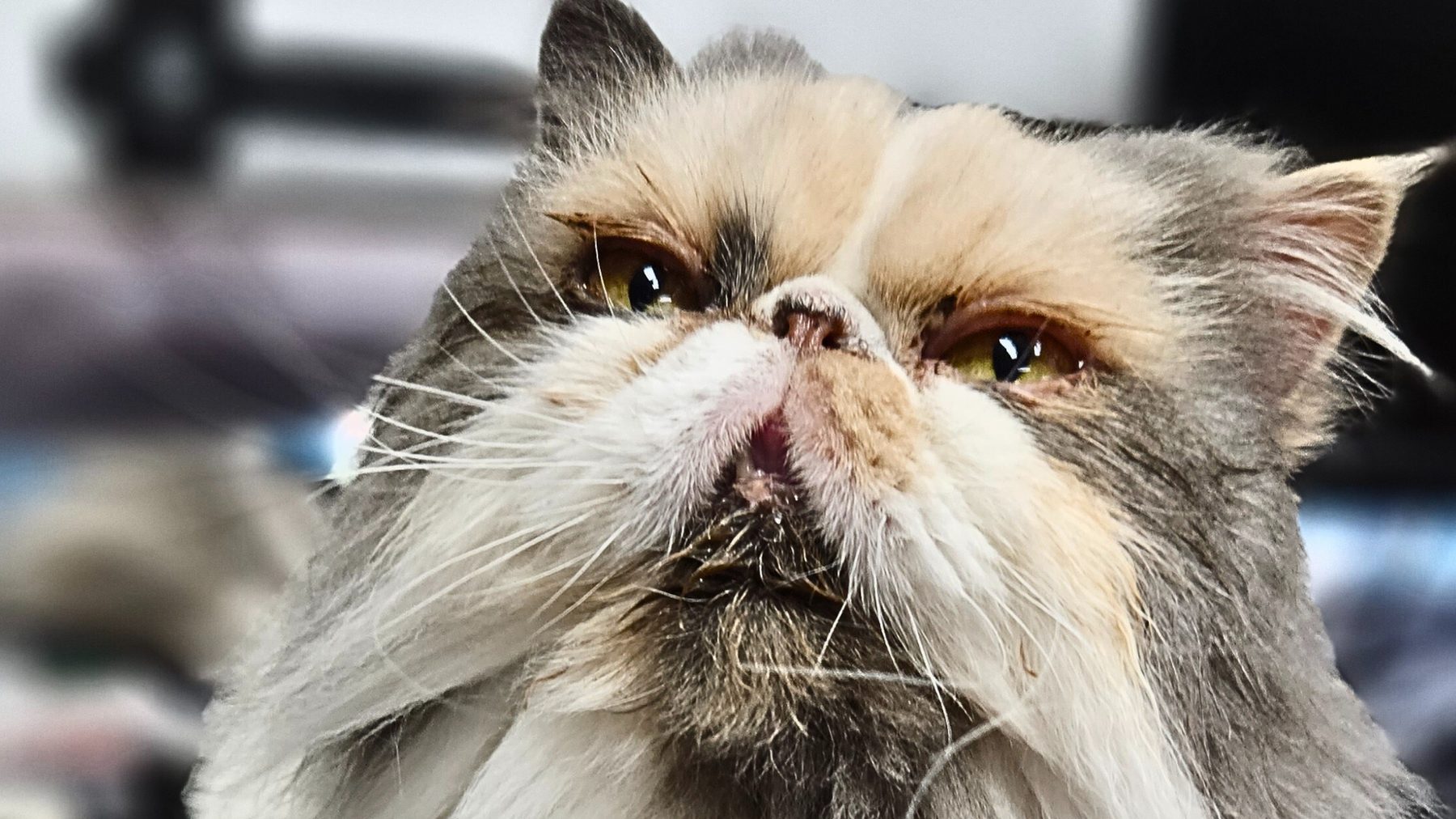
Try brushing your cat’s teeth three times a week using enzymatic toothpaste — or offer dental chews if brushing feels tricky, as studies show they can reduce tartar by up to 70%. Drooling, bad breath, or dropping food affects half of older cats, yet it often goes unnoticed.
Regular six-month dental checks and professional cleaning prevent pain and avoid risky anaesthetic procedures later in life. Healthy teeth mean happier eating, better breath, and stronger overall immunity.
Senior Diet Shifts
Older cats thrive on high-quality, protein-rich diets that nourish lean muscle and aid digestion. Senior formulas reduce calories while staying rich in amino acids and moisture.
Encourage hydration with water fountains or by adding wet food. Portion control prevents weight gain as metabolism slows naturally with age.
Home Nutrition for Senior Cats:
Animal protein (35–45%) for muscle preservation.
Reduce calories by 30–40% versus adult diets.
Add omega-3s for joint and kidney support.
Include antioxidants like pumpkin or spinach to boost immunity.
Keep sodium under 0.4% for heart health.
Supplement with probiotics such as FortiFlora—improving digestion and immunity in 80% of seniors.
Use the BalanceIt app for complete, vet-formulated home-cooked recipes.
Transition foods gradually over 7–10 days to avoid stomach upset. Pair with gentle play to keep appetite and metabolism balanced.
Bonus: Cognitive Support
Around 15% of senior cats experience cognitive decline, often seen as night wandering or confusion. Mental enrichment keeps their minds clear and confidence high.
Food puzzles, treat mazes, and gentle play strengthen memory and problem-solving skills. Omega-3s and B-vitamins can sharpen focus by 25%, supporting calm behaviour and restful sleep.
Screening for the “Silent” Issues
Kidney and heart diseases progress quietly until advanced stages. One in three senior cats develops chronic kidney disease, often without visible symptoms.
Starting from age seven, Lilydale Vet Centre’s Senior Health Campaign includes a complimentary blood test with every senior vaccination. These results create a vital baseline for early detection and peace of mind.
By age eleven, your cat’s needs become more delicate, making bi-annual vet checks essential. These visits include thyroid and blood pressure testing, helping us catch subtle shifts early—before they affect comfort or longevity.
Early prevention is always better than late-stage treatment, protecting comfort and companionship. Ageing doesn’t mean slowing down—it means supporting your cat’s comfort and joy in every small way that matters. Every grey whisker tells a story of love and loyalty. With proactive care, your feline bestie can age gracefully—strong, content, and always close to your heart.
When your pet needs help, you naturally notice the vets and nurses by their side. But have you wondered who quietly keeps every visit organised, calm, and welcoming?
Meet Ana and Rua, two dedicated team members who help create a seamless experience for every pet parent.
...
When it comes to pet health myths, there’s no shortage of advice—some helpful, some misleading. While many common pet care mistakes have been passed down for generations, believing them could put your pet’s health at risk.
Let’s separate fact from fiction and debu...